samsung note7 stands as a significant chapter in the smartphone saga, captivating users with its remarkable features and sleek design. This device was heralded for its impressive display, powerful performance, and innovative stylus integration, which aimed to redefine productivity on-the-go.
However, the excitement surrounding the Note7 was soon overshadowed by serious battery issues, leading to major recalls and a tarnished reputation for Samsung. Despite this turmoil, the Note7’s influence on design and technology remains a focal point for future devices.
Overview of Samsung Note7
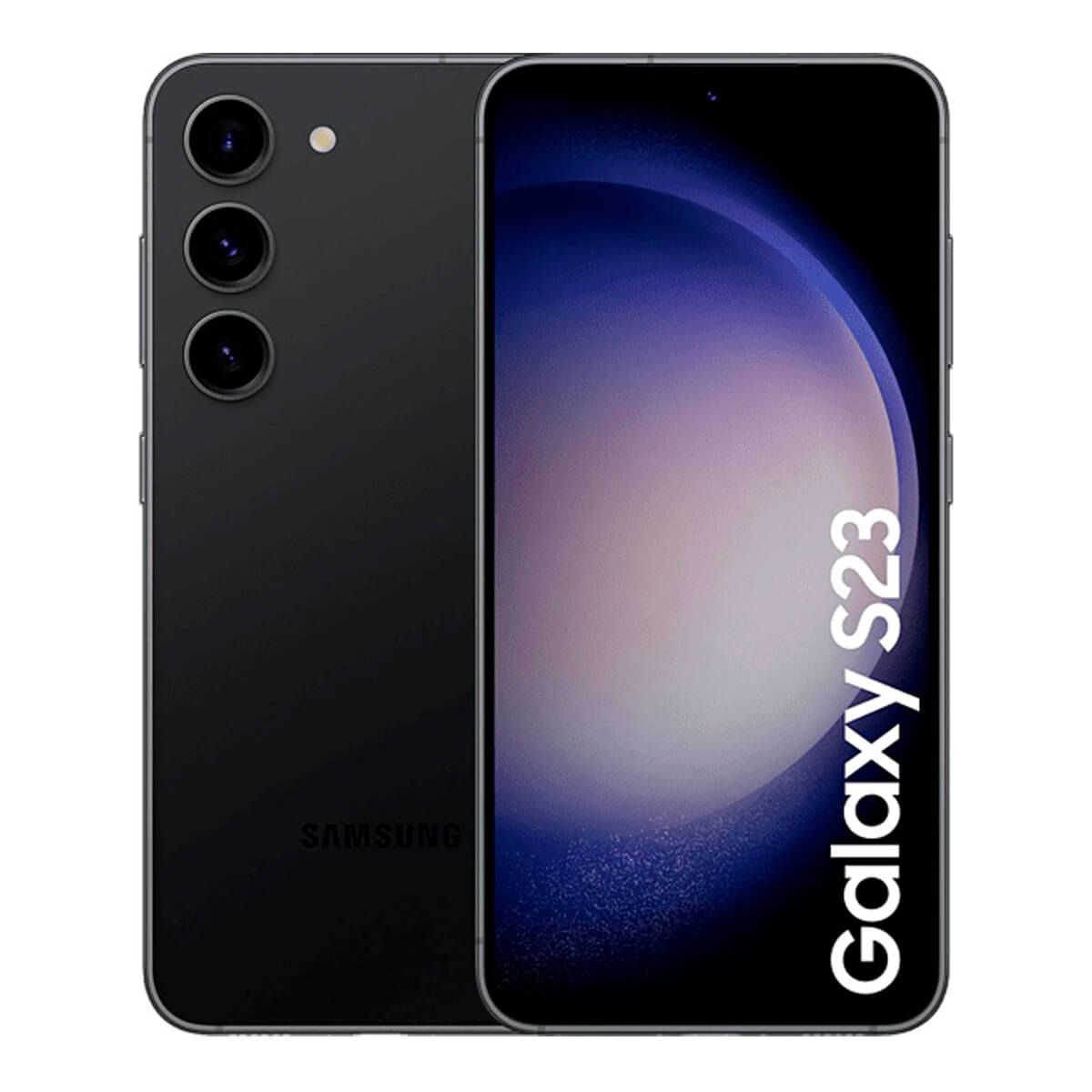
The Samsung Note7 was introduced as a flagship device in the Note series, aiming to combine powerful performance with an elegant design. Released in August 2016, it garnered attention for its advanced features, innovative technology, and unique stylus functionality, catering to both professionals and creative users alike.
The Note7 showcased several key features that set it apart from its competitors. Equipped with a 5.7-inch Super AMOLED display, the device supported a resolution of 1440 x 2560 pixels, providing vibrant colors and sharp details. It was powered by either the Qualcomm Snapdragon 820 or Samsung’s Exynos 8890 processor, depending on the region, coupled with 4GB of RAM and available storage options of 64GB, which could be expanded via microSD. Additionally, the Note7 included a 12-megapixel rear camera with dual-pixel technology, enhancing low-light photography, and a 5-megapixel front camera for selfies.
Design and Specifications
The design of the Samsung Note7 significantly contributed to its appeal, featuring a sleek glass and metal build that was both premium and comfortable to hold. The device was IP68 rated, making it resistant to dust and water, which added to its durability for everyday use.
One of the noteworthy specifications included:
- Display: 5.7-inch Super AMOLED, 1440 x 2560 pixels
- Processor: Qualcomm Snapdragon 820 or Exynos 8890
- RAM: 4GB
- Storage: 64GB, expandable via microSD
- Camera: 12MP rear, 5MP front
- Battery: 3,500 mAh, with fast charging capabilities
The integration of the S Pen stylus offered enhanced functionality, allowing users to take notes, sketch, and perform quick actions that leveraged the device’s touchscreen capabilities.
Initial market reception was overwhelmingly positive, with consumers and critics alike praising its design, performance, and features. The Note7 achieved impressive sales figures shortly after its launch, quickly becoming one of Samsung’s best-selling models in the series. However, it is important to note that the device faced significant scrutiny due to safety concerns related to battery malfunctions, which ultimately led to a global recall and discontinuation, overshadowing its initial success.
“The Galaxy Note7 was a showcase of Samsung’s innovation, but its legacy is marred by safety issues.”
Controversies Surrounding Samsung Note7
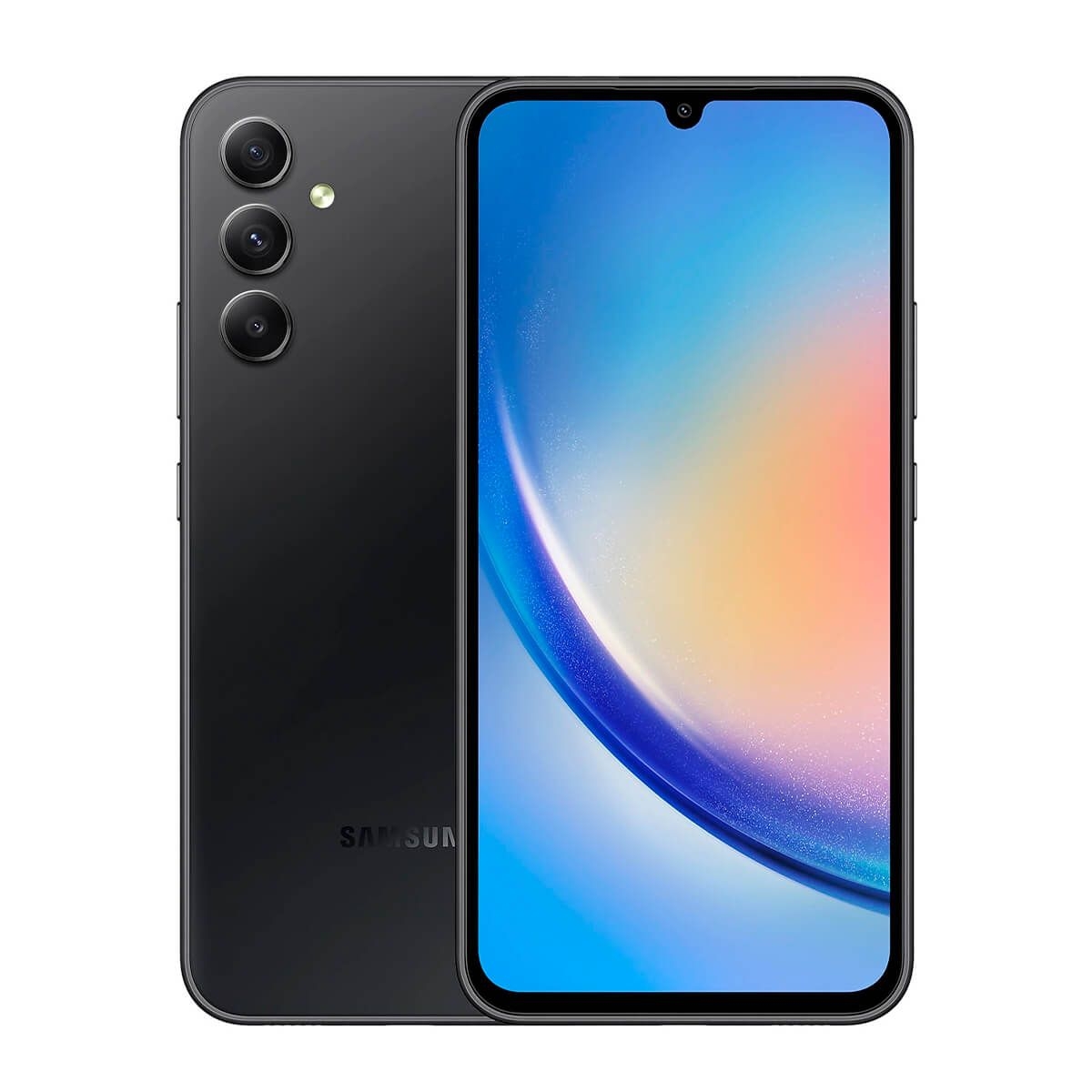
The Samsung Note7 controversy represents one of the most significant product failures in recent technology history. The device, which was highly anticipated, ultimately faced severe backlash due to critical battery issues that not only compromised the phone’s functionality but also posed serious safety hazards to users. This incident had lasting implications on Samsung’s reputation and underscored the challenges of crisis management in the tech industry.
Battery Issues and Recalls, Samsung note7
The primary controversy surrounding the Samsung Note7 stemmed from its battery defects, which led to spontaneous combustion and overheating. This issue first became apparent shortly after the device’s launch in August 2016, when reports emerged of devices catching fire while charging or in use. The situation escalated quickly, prompting Samsung to issue a recall of approximately 2.5 million devices in September 2016.
- The initial recall was based on faulty batteries manufactured by Samsung SDI, which exhibited severe manufacturing defects, causing the lithium-ion batteries to short-circuit and ignite.
- After replacing the affected devices with new units, the issue persisted, as reports of fires continued to surface. This led to a second recall in October 2016, where Samsung advised consumers to power down and stop using the Note7 entirely.
- Ultimately, in December 2016, Samsung officially discontinued the Note7, announcing a global halt of the production of the device due to the ongoing safety concerns.
The company faced intense scrutiny from regulators, media, and consumers alike, as the incident raised questions about product safety standards in the smartphone industry.
Impact on Samsung’s Reputation
The Note7 debacle had profound repercussions for Samsung’s brand image and market position. Once considered a leader in innovation and quality within the smartphone sector, the company found itself grappling with a tarnished reputation.
- According to a survey conducted by YouGov, Samsung’s brand reputation plummeted by 30% following the Note7 incidents, significantly affecting consumer trust.
- The controversy led to a loss of approximately $5 billion in operating profit, impacting their overall financial performance for that fiscal year.
- The fallout from the Note7 crisis extended beyond immediate financial loss. The incident became a case study in business schools regarding crisis management and product safety protocols.
Furthermore, the incident altered consumer behavior, leading to a decline in Samsung’s market share as users began to explore alternative brands, notably Apple and emerging competitors.
Crisis Management Strategies
Samsung’s handling of the Note7 crisis is illustrative of both effective and ineffective crisis management strategies. The company’s response involved comprehensive measures aimed at mitigating damages and restoring public trust.
- Samsung initiated a proactive response by promptly issuing recalls and providing clear communication to consumers, which initially helped to quell some public outrage.
- The company engaged with regulatory bodies, including the Consumer Product Safety Commission (CPSC) in the United States, to ensure compliance and transparency throughout the recall process.
- To regain consumer confidence, Samsung implemented stricter quality control measures in its supply chain, including the introduction of an 8-point battery safety check for future devices.
Despite these efforts, it took years for Samsung to fully recover its brand reputation. The Note7 controversy serves as a pivotal lesson for technology companies regarding the importance of product testing, consumer safety, and the necessity for rapid response during a crisis.
Comparison with Other Devices
The Samsung Note7, released in 2016, was a significant advancement in Samsung’s smartphone lineup, especially when compared to its predecessor, the Note5. Not only did it offer enhanced features, but it also positioned itself strongly against key competitors like Apple’s iPhone and Google’s Pixel. This section delves into these comparisons, highlighting the improvements and standout features of the Note7.
Comparison with Note5
The transition from the Note5 to the Note7 showcased a range of improvements that catered to user needs and preferences. Significant enhancements included:
- Display: The Note7 featured a 5.7-inch Quad HD Super AMOLED display, similar in size to the Note5 but with improved brightness and color accuracy.
- Water Resistance: One of the most notable upgrades was the IP68 rating for dust and water resistance, which was absent in the Note5.
- S Pen Enhancements: The S Pen on the Note7 was more versatile, offering new features such as screen off memo, which allowed users to take notes without unlocking the device.
- Battery and Charging: The Note7 boasted a 3,500 mAh battery with fast charging and wireless charging capabilities, enhancing usability significantly compared to the Note5.
- Security Features: The inclusion of an iris scanner provided an additional layer of security, a feature not present in the Note5.
Comparison with Competitors
When evaluating the Note7 against other flagship devices such as the iPhone 7 and Google Pixel, it is essential to consider how it differentiated itself in a competitive landscape.
- Performance: The Note7 was equipped with either the Qualcomm Snapdragon 820 or Samsung’s Exynos 8890 processor, providing high performance comparable to the iPhone 7’s A10 Fusion chip and the Pixel’s Snapdragon 821.
- Camera Quality: The 12 MP rear camera of the Note7 was known for its excellent low-light performance and dual pixel autofocus, rivaling the iPhone 7’s camera capabilities and offering competitive image quality with the Google Pixel.
- Software Features: Samsung’s TouchWiz interface offered extensive customization options, setting it apart from the more streamlined iOS on the iPhone and the stock Android experience on the Pixel.
- Stylus Integration: Unique to the Note series, the S Pen provided functionality that was unmatched by competitors, particularly appealing to users who favored productivity features.
Standout Features of Note7
The Samsung Note7 included several standout features that made it particularly appealing to consumers during its release:
“The combination of a powerful S Pen, robust security features, and exceptional display quality made the Note7 a leader in its class.”
- Edge Display: The curved edge display not only enhanced aesthetics but also provided additional screen space for multitasking.
- Samsung DeX: Although not fully realized until later, the groundwork for DeX was laid with the Note7, hinting at future productivity capabilities.
- Enhanced Multimedia Experience: With stereo speakers and HDR video support, the Note7 catered to media consumers effectively.
Legacy and Impact on Future Devices

The Samsung Note7 left an indelible mark on the smartphone industry, shaping design philosophies and safety protocols in subsequent devices. Its controversial history not only prompted changes within Samsung but also influenced the wider tech landscape, instigating a reevaluation of manufacturing practices and consumer safety measures across the board.
The Note7 incident underscored the critical importance of safety in device design. Following its recall, subsequent smartphone models adopted more rigorous quality assurance processes and safety testing protocols. The tech industry recognized the need for a proactive approach to battery technology, leading to enhanced standards in both manufacturing and design processes.
Influence on the Design of Subsequent Models
The legacy of the Note7 can be seen in various design elements of later Samsung models, particularly in the Note series and Galaxy line. The following factors highlight its influence:
- Battery Technology Improvements: Samsung invested in new battery testing standards, including a multi-step testing process, which became a benchmark in the industry.
- Enhanced Safety Protocols: Companies emphasized the importance of comprehensive safety checks, with manufacturers now commonly employing advanced thermal management technologies to prevent overheating.
- Focus on User Trust: Brands have become more transparent with consumers regarding device safety, sharing detailed information on battery life and safety measures in marketing efforts.
Lessons Learned by the Tech Industry
The Note7 controversy served as a cautionary tale for the tech industry, prompting several critical lessons that are now widely adopted:
- Thorough Testing is Essential: The need for extensive testing prior to product launch became apparent. Companies began to implement stricter testing protocols to prevent future disasters.
- Customer Communication: Effective communication strategies in crisis situations proved invaluable, with firms focusing on clear channels to inform users about recalls and safety measures.
- Risk Management Frameworks: Integrating comprehensive risk assessment frameworks into product development has become a norm, allowing companies to identify and mitigate potential hazards early.
Innovations in the Note Series Following the Note7
In the wake of the Note7, Samsung introduced several innovations in the subsequent Note series that not only revitalized consumer interest but also prioritized safety and functionality:
- Improved S Pen Features: The S Pen saw enhancements, allowing for more precise control and features such as live message and screen off memo, enriching user interaction.
- Refined Design Elements: New models adopted a more robust design, utilizing materials that provide better insulation and thermal regulation to prevent overheating.
- Intelligent Battery Management: The introduction of software-based battery management systems allowed for real-time monitoring and optimization of battery performance.
“Safety and innovation are paramount in our devices; we have learned from the past to secure a better future.”
Commonly Asked Questions
What were the key features of the samsung note7?
The samsung note7 featured a stunning 5.7-inch Super AMOLED display, a powerful Exynos processor, 4GB of RAM, and a 12MP camera, along with enhanced S Pen capabilities.
Why was the samsung note7 recalled?
The device was recalled due to battery defects that caused some units to overheat and catch fire, leading to safety concerns.
How did the samsung note7 affect Samsung’s reputation?
The Note7 incidents significantly impacted Samsung’s reputation, leading to a loss of consumer trust and a decline in sales during the crisis.
What improvements did the samsung note7 have over the Note5?
The Note7 offered a more refined design with a curved edge display, improved camera quality, and enhanced software features compared to the Note5.
What lessons did the tech industry learn from the samsung note7?
The tech industry learned the importance of rigorous safety testing and crisis management, as well as the need for transparent communication with customers during product failures.
The Galaxy Note 2 redefined the smartphone experience with its impressive S Pen functionality and large display, making it a favorite among productivity enthusiasts. Its combination of a powerful processor and Android operating system provided seamless multitasking, setting a high bar for future devices.
With the introduction of the Samsung Galaxy S II , Samsung elevated the smartphone game by offering a sleek design and powerful hardware that appealed to a wide audience. Its vibrant Super AMOLED display and impressive camera capabilities made it a standout choice for consumers looking for performance and style.