samsung galaxy note 7 marked a significant entry into the smartphone market, captivating tech enthusiasts with its innovative features and sleek design. Launched with much anticipation, this device promised to deliver cutting-edge technology including an improved S Pen and waterproof capabilities, positioning itself as a leading choice among phablets.
However, the excitement was soon overshadowed by serious safety concerns that would ultimately redefine Samsung’s approach to quality control and consumer trust. The Galaxy Note 7’s journey is a tale of technological ambition, consumer disappointment, and valuable lessons learned in the fast-paced world of mobile technology.
History and Launch of Samsung Galaxy Note 7

The Samsung Galaxy Note 7 marked a significant milestone in the evolution of the Note series, introducing advanced features and a sleek design that captured the attention of consumers upon its launch. Originally unveiled in 2016, its development was rooted in Samsung’s commitment to innovation and user experience, setting the stage for its ambitious entry into the smartphone market.
The timeline leading to the Galaxy Note 7’s launch showcases critical milestones from its conception to its release. Notably, the device was initially teased in June 2016 at a special event in New York City, which heightened consumer anticipation. The official launch occurred on August 2, 2016, and it quickly made its way to retail outlets by mid-August.
Key Features and Market Reception, Samsung galaxy note 7
During the launch, Samsung emphasized several cutting-edge features that distinguished the Galaxy Note 7 from its predecessors and competitors. The device boasted a stunning 5.7-inch Super AMOLED display with a resolution of 1440 x 2560 pixels, offering vibrant colors and sharp image clarity. This was complemented by an IP68 rating for water and dust resistance, a significant enhancement for users seeking durability in their smartphones.
Additional features highlighted during the launch included:
- Enhanced S Pen functionality, which allowed for improved pressure sensitivity and new software integration.
- Dual-edge curved display, providing a modern aesthetic and additional functionality with edge panels.
- A 12 MP rear camera with Dual Pixel technology, resulting in faster autofocus and improved low-light photography.
- Security features like an iris scanner for biometric authentication, setting a new benchmark for mobile security.
The initial reception of the Galaxy Note 7 was overwhelmingly positive. It received numerous accolades, including the prestigious “Best of IFA” award, highlighting its innovative features and design. Critics praised its user-friendly interface, impressive performance, and overall aesthetic appeal, solidifying its place as one of the most advanced smartphones of its time. The device was lauded for pushing the boundaries of technology in mobile devices, contributing to a favorable perception among early adopters and tech enthusiasts alike.
Technical Specifications and Features: Samsung Galaxy Note 7
The Samsung Galaxy Note 7 launched with an impressive array of technical specifications that aimed to redefine the smartphone experience. Designed for power users, it combined cutting-edge hardware with innovative software features that catered to productivity and entertainment alike.
The Galaxy Note 7 showcased a robust set of specifications that elevated it above its predecessors and positioned it uniquely in the market. The device was equipped with a 5.7-inch QHD Super AMOLED display, boasting a resolution of 1440 x 2560 pixels, making content appear vibrant and sharp. This was powered by either the Qualcomm Snapdragon 820 or Samsung’s own Exynos 8890 processor, depending on the region, combined with 4GB of RAM. The onboard storage options varied between 64GB, 128GB, and 256GB, expandable via microSD card, catering to users with extensive media libraries.
Comparison with Galaxy Note 5 and Galaxy Note 8
When comparing the Galaxy Note 7 with its predecessor, the Galaxy Note 5, several notable advancements are apparent. The Note 5 featured a slightly smaller 5.7-inch display but lacked the water and dust resistance that the Note 7 introduced. This IP68 rating allowed the Note 7 to withstand immersion in water, enhancing its durability for everyday use.
The transition to the Galaxy Note 8 brought further enhancements, with a larger 6.3-inch Infinity Display and dual-camera system that the Note 7 did not possess. While the Note 8 improved upon the Note 7’s design and features, the latter was still celebrated for its innovative S Pen functionalities, which were further adopted in the Note 8.
Innovative Features of the Galaxy Note 7
The Galaxy Note 7 introduced several innovative features that distinguished it from its competition. One of the standout features was the S Pen, which provided users with refined capabilities such as:
- Waterproof Design: The S Pen was designed to work even when wet, allowing users to jot down notes in any condition.
- Screen Off Memo: This enabled users to write notes directly on the screen without needing to unlock the device.
- Smart Select: This feature allowed users to highlight and capture content from their screens with precision, facilitating easier sharing and organization of information.
Additionally, the Galaxy Note 7 was one of the first smartphones to introduce HDR video playback, elevating the viewing experience by providing richer colors and better contrast. The device also featured an improved biometric security system with both iris scanning and fingerprint recognition, enhancing user security without compromising convenience.
“The combination of the S Pen and waterproof design made the Galaxy Note 7 an exceptional tool for productivity on-the-go.”
Equipped with a 3,500mAh battery, the Note 7 included fast charging capabilities for both wired and wireless charging, allowing users to spend less time tethered to a power source. These features collectively contributed to a device that was engineered for efficiency and ease of use, catering to a diverse range of user needs.
Issues and Controversies
The Samsung Galaxy Note 7 was a highly anticipated device that ultimately faced significant challenges, primarily due to serious battery issues that marred its reputation. The incidents surrounding the Note 7 serve as a cautionary tale in the tech industry, illustrating how rapidly consumer trust can erode and the profound effects of product safety concerns on a brand.
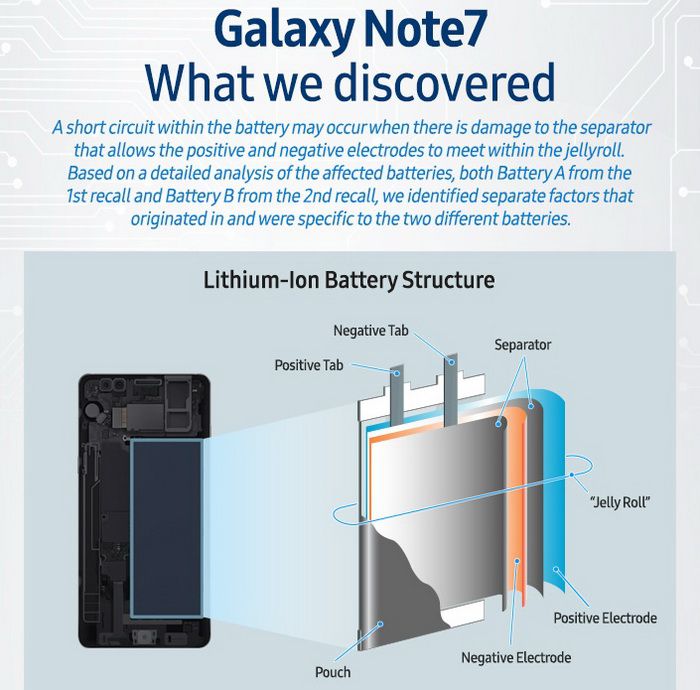
The central controversy associated with the Galaxy Note 7 revolved around its lithium-ion battery, which was found to be susceptible to overheating and, in extreme cases, bursting into flames. This issue prompted Samsung to initiate a global recall of the device shortly after its launch. Initially, Samsung addressed the problem by issuing a voluntary recall and replacing the affected devices with new ones, which were also believed to be safe. However, these replacements faced similar issues, leading to a second recall. Samsung eventually discontinued the Galaxy Note 7 altogether, marking one of the most significant failures in smartphone history.
Public and Media Reactions
The response from the public and media regarding the Galaxy Note 7’s safety concerns was overwhelmingly negative, significantly impacting consumer confidence in Samsung. Media outlets widely reported incidents of the device catching fire, leading to a sensationalized narrative that painted the Galaxy Note 7 as a dangerous product.
Key points of public reaction included:
- Consumer Fear: Reports of incidents caused a wave of fear among consumers, prompting some to return their devices immediately, while others hesitated to purchase any Samsung products.
- Media Sensationalism: Coverage in major news outlets and social media platforms amplified the fear, with graphic images of damaged devices circulating widely.
- Legal Actions: Some consumers filed lawsuits against Samsung, seeking compensation for damages incurred due to the device failures.
- Impact on Brand Loyalty: Longtime Samsung users began reevaluating their brand loyalty, leading to a noticeable decline in customer trust.
The safety issues not only tarnished the Galaxy Note 7’s legacy but also had lasting repercussions for Samsung’s reputation. The company faced substantial financial losses, with estimates suggesting they lost billions in sales and incurred the costs of the recalls. In the following years, Samsung took significant measures to restore its reputation and ensure the safety of future devices.
Consequences for Samsung
The fallout from the Galaxy Note 7 incidents led Samsung to reevaluate its product development and safety protocols extensively. The repercussions of the Note 7’s failure included:
- Financial Losses: The recalls and eventual discontinuation of the Galaxy Note 7 resulted in an estimated loss of $5 billion for Samsung.
- Increased Safety Measures: Samsung implemented a more rigorous battery testing process, known as the 8-Point Battery Safety Check, to prevent similar issues in future devices.
- Shift in Marketing Strategy: The company shifted its focus from aggressive marketing approaches to emphasizing safety and quality assurance in its messaging.
- Impact on Future Products: The Note 7 controversy influenced the design and engineering of subsequent devices, as Samsung prioritized consumer safety and product reliability in its later offerings.
Samsung’s handling of the Note 7 crisis is a notable example in the tech industry, showcasing the critical importance of product safety and the potential consequences of oversight in the design and testing phases.
Legacy and Impact on Future Devices
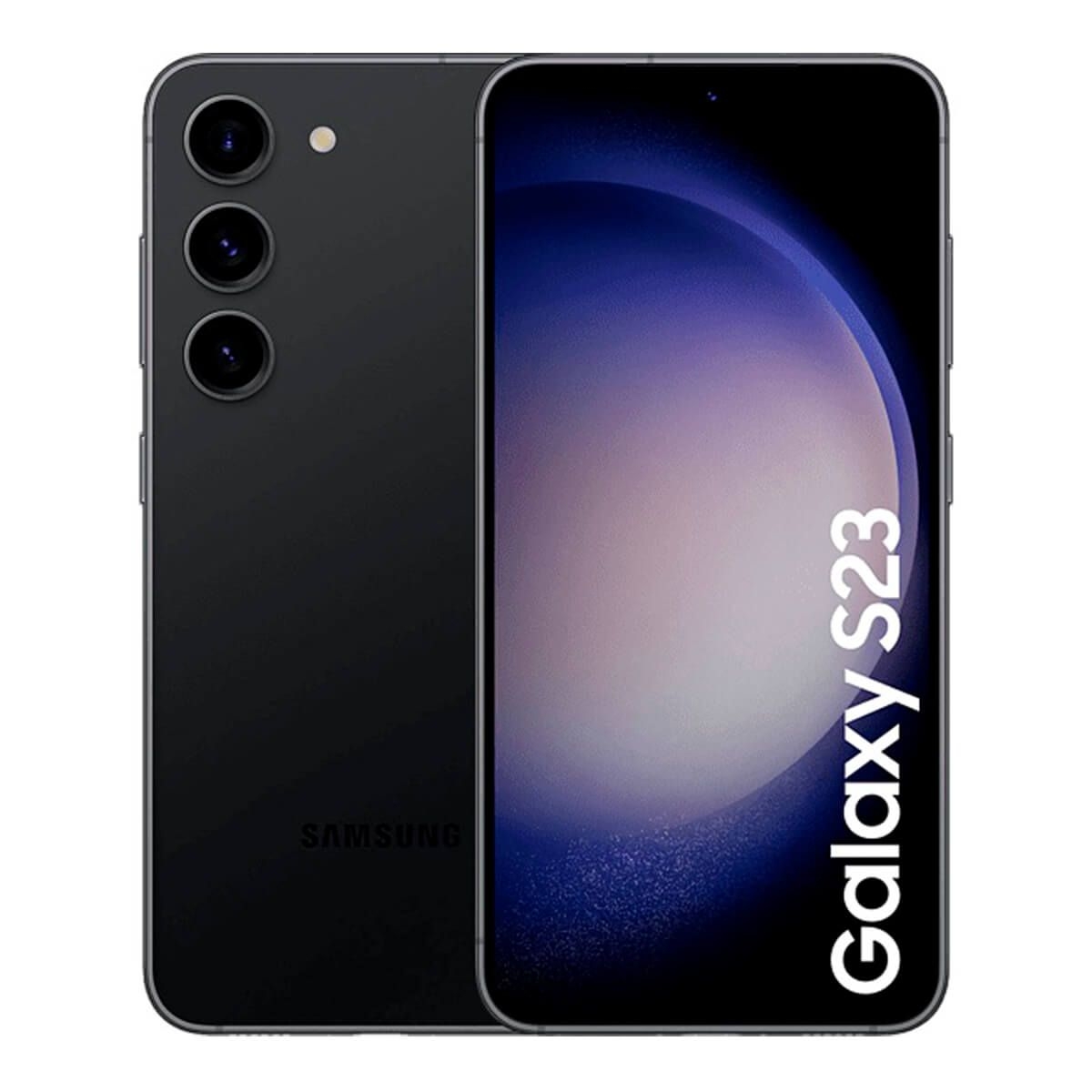
The Samsung Galaxy Note 7, despite its troubled launch, has left a significant legacy in the smartphone industry. The device introduced several innovative features and design elements that influenced the development of future smartphones. Additionally, the challenges faced by Samsung during the Note 7’s lifecycle prompted critical lessons that reshaped not only the company’s practices but also the standards upheld across the entire tech sector.
The Galaxy Note 7 played a pivotal role in redefining smartphone design and technology. Its sleek curves, edge-to-edge display, and S Pen functionality set new benchmarks for subsequent devices. These features have since become staples in many flagship smartphones, reflecting a shift towards more sophisticated and user-friendly designs. The emphasis on larger displays and premium materials in the Note 7 encouraged other manufacturers to adopt similar aesthetics, further enhancing the consumer experience.
Lessons Learned from the Note 7 Incident
The Note 7 incident served as a crucial learning experience for Samsung and the broader technology industry. The investigation into the battery failures revealed significant insights into product safety, quality control, and consumer trust. Recognizing the importance of reliable testing procedures, Samsung implemented more rigorous safety measures in their manufacturing processes.
The fallout from the Note 7 incident highlighted the need for transparent communication with consumers. Companies began to understand that maintaining customer trust is paramount, particularly in an age where information spreads rapidly via social media. This understanding has prompted tech companies to prioritize clear messaging regarding product safety and recalls in their future models.
To address safety and quality concerns, the Galaxy Note 8 and subsequent smartphones introduced several improvements. The following table Artikels the key enhancements and safety measures implemented in response to the challenges faced by the Note 7:
| Improvement | Description |
|---|---|
| Battery Design | New dual-cell battery design with enhanced safety features to prevent overheating. |
| 8-Point Battery Safety Check | A comprehensive testing protocol that includes various safety measures to ensure battery reliability. |
| User Feedback Mechanism | An improved system for gathering consumer feedback and addressing issues promptly. |
| Cooling Technology | Enhanced cooling systems to manage heat effectively during intensive usage. |
| Material Quality Enhancements | Use of better materials and manufacturing processes to increase overall device sturdiness and safety. |
FAQ Overview
What were the major features of the samsung galaxy note 7?
The samsung galaxy note 7 featured a 5.7-inch Super AMOLED display, an improved S Pen, a waterproof design, and a dual pixel camera.
Why was the samsung galaxy note 7 recalled?
The recall was initiated due to battery defects that caused phones to overheat and catch fire, posing serious safety risks.
How did samsung respond to the issues with the note 7?
Samsung implemented a global recall, offered replacements, and later released an updated model with enhanced safety features.
What legacy did the samsung galaxy note 7 leave?
The legacy of the samsung galaxy note 7 includes heightened awareness regarding smartphone safety and improved quality control measures across the industry.
What improvements were made in the samsung galaxy note 8?
The samsung galaxy note 8 featured a redesigned battery with enhanced safety measures, improved camera capabilities, and an overall refined user experience.
The Galaxy S 6 marked a significant leap in smartphone technology, offering enhanced camera capabilities and a sleek design that captivated users. Its powerful performance and elegant interface set a new standard for Samsung smartphones, making it a popular choice during its release.
Similarly, the Samsung Galaxy Note 7 introduced a stunning display and improved S Pen functionality, appealing to both professionals and tech enthusiasts. Although it faced challenges, its features still resonate with many fans, showcasing Samsung’s commitment to innovation in the smartphone market.