chip iphone opens the door to understanding the cutting-edge technology that powers Apple’s flagship device. With every new iPhone release, the chips within them evolve, showcasing Apple’s commitment to innovation and performance. Diving into the architecture, evolution, and future of these chips reveals how they not only enhance functionality but also define the user experience.
From the intricacies of chip architecture that set them apart from competitors to the meticulous manufacturing processes that ensure high-quality production, each aspect contributes to the iPhone’s reputation for excellence. The story of iPhone chips is intertwined with the evolution of smartphone technology, highlighting significant advancements that have led to improved capabilities, making it a fascinating journey for tech enthusiasts.
The Technology Behind iPhone Chips
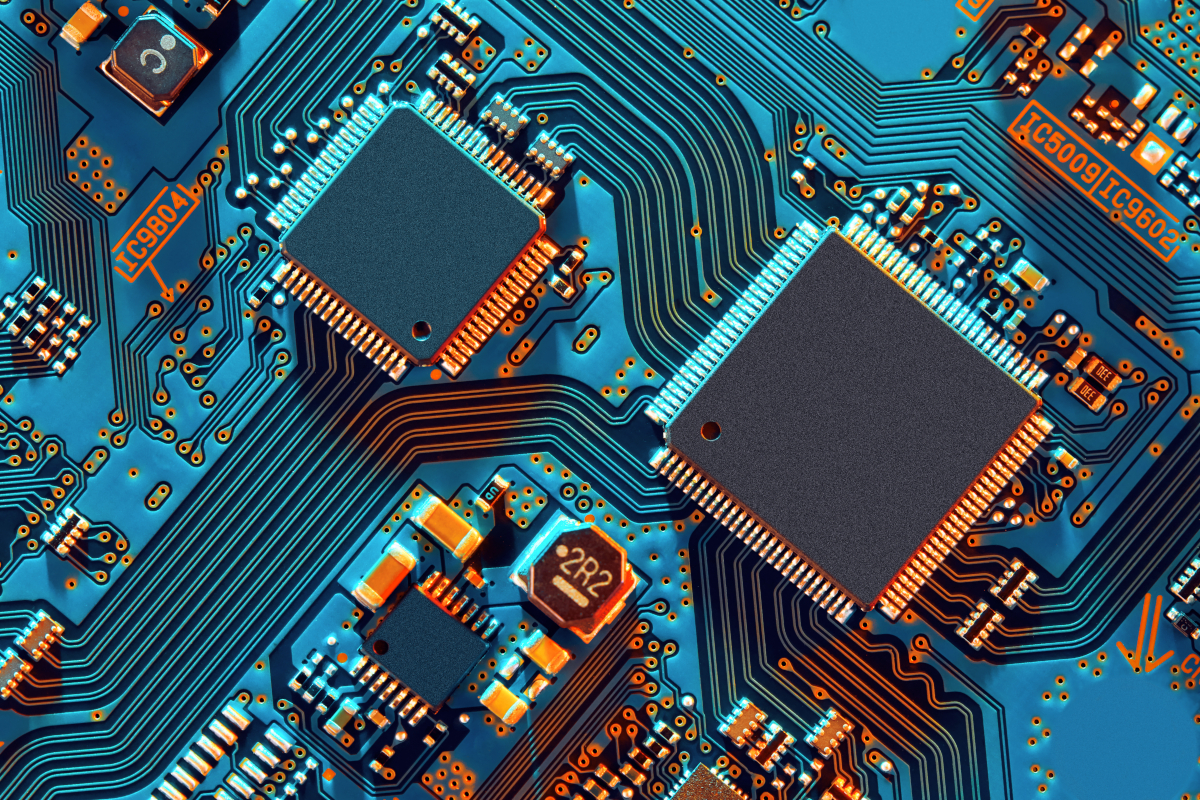
The innovative architecture of iPhone chips has set them apart in the competitive landscape of mobile technology. Apple’s commitment to vertical integration allows the company to design chips that seamlessly integrate with its software, resulting in performance and efficiency that is often unmatched in the market. This dedication to chip design underpins many of the iPhone’s unique features and capabilities.
The architecture of iPhone chips, predominantly based on ARM architecture, incorporates several key elements that enhance performance. Apple’s custom designs, such as the A-series chips, feature a combination of high-performance cores and high-efficiency cores in a big.LITTLE configuration, known as the “Fusion” architecture. This design allows the iPhone to allocate tasks efficiently, ensuring that power-intensive processes are handled by high-performance cores while lighter tasks are managed by efficiency cores. This architecture not only improves performance but also extends battery life, which is crucial for mobile devices.
Manufacturing Process of Apple Chips
The manufacturing process of Apple chips is a complex and highly controlled endeavor. Apple’s chips are primarily fabricated by TSMC (Taiwan Semiconductor Manufacturing Company), using cutting-edge 5nm process technology. This advanced manufacturing process enables Apple to create chips with greater transistor density, leading to improved performance and energy efficiency. The process involves multiple stages, including:
- Design and Simulation: Apple engineers meticulously design the chip architecture and simulate performance metrics to optimize efficiency before physical production.
- Wafer Fabrication: The actual chip fabrication occurs on silicon wafers, where photolithography is used to etch the intricate patterns of transistors onto the silicon surface.
- Testing and Packaging: Once fabricated, chips undergo rigorous testing to identify any defects. Successful chips are then packaged for integration into devices.
Impact of Chip Technology on iPhone Performance
The impact of chip technology on the overall performance of iPhones is profound and multifaceted. Enhanced chip performance translates into smoother user experiences, faster application launches, and improved multitasking capabilities. Each successive generation of Apple’s chips has introduced significant advancements in processing power and machine learning capabilities, which enable features such as facial recognition and augmented reality.
Key performance enhancements attributed to chip technology include:
- Improved CPU and GPU performance, which allows for seamless gaming and intensive applications.
- Advanced Neural Engine capabilities that support complex AI tasks directly on the device, enhancing features like photography and voice recognition.
- Power management technologies that extend battery life while maintaining peak performance during demanding tasks.
In summary, Apple’s focus on custom chip design, advanced manufacturing processes, and continuous innovation has resulted in iPhone chips that not only outperform competitors but also drive the overall functionality and user experience of their devices.
Evolution of iPhone Chips Over the Years: Chip Iphone
The evolution of iPhone chips reflects a remarkable journey in semiconductor technology, showcasing how Apple has consistently pushed the boundaries of performance, efficiency, and capability. Since the launch of the original iPhone, the advancement in chip design and architecture has transformed user experience, enabling features and functionalities previously deemed impossible on mobile devices.
Comparison of Early and Latest iPhone Chips
The first iPhone, released in 2007, utilized the Samsung-made ARM 11 chip, which featured a clock speed of 412 MHz and a mere 128 MB of RAM. Fast forward to the latest iPhone models, which are powered by the A17 Pro chip, boasting a 3.78 GHz performance core and a significantly advanced architecture. This leap in specifications is not merely about clock speed but involves numerous innovations that enhance overall functionality and user experience. The key differences are summarized as follows:
| Feature | Original iPhone (2007) | Latest iPhone Model (2023) |
|---|---|---|
| Chip | ARM 11 | A17 Pro |
| Clock Speed | 412 MHz | 3.78 GHz |
| RAM | 128 MB | 8 GB |
| Process Technology | 90 nm | 3 nm |
| Neural Engine | No | 16-Core |
Advancements in Chip Technology
Significant advancements in chip technology have played a crucial role in enhancing iPhone capabilities over the years. These developments include improvements in manufacturing processes, architectural innovations, and the incorporation of specialized processing units. Key advancements that have shaped modern iPhone chips are:
- Smaller Process Nodes: Transition from larger nodes (90 nm) to smaller nodes (3 nm) has dramatically increased transistor density, performance, and power efficiency.
- Integration of AI Processing: The introduction of dedicated Neural Engines allows for sophisticated machine learning tasks, enhancing features such as photography, voice recognition, and augmented reality.
- Energy Efficiency: Advances in power management technologies have enabled extended battery life without compromising performance, a critical factor for mobile devices.
- Unified Memory Architecture: This allows for more efficient data processing and faster access across different types of workloads, enhancing multitasking capabilities.
Key Milestones in iPhone Chip Development
The developmental timeline of iPhone chips is marked by several milestones that have had a profound impact on user experience. Each new chip generation has introduced features that redefine what smartphones can accomplish:
- Introduction of A4 (2010): The first homegrown Apple chip, enhancing performance and energy efficiency significantly.
- A6 (2012): First chip to feature a 64-bit architecture, paving the way for future innovations in processing power.
- A11 Bionic (2017): Introduction of a Neural Engine, marking the beginning of the AI-driven features in iPhones.
- A14 Bionic (2020): First 5 nm chip, which drastically improved performance and introduced advanced machine learning capabilities.
- A17 Pro (2023): Represents the culmination of years of innovation with advanced graphics rendering for gaming and content creation.
The Role of Chipsets in iPhone Functionality
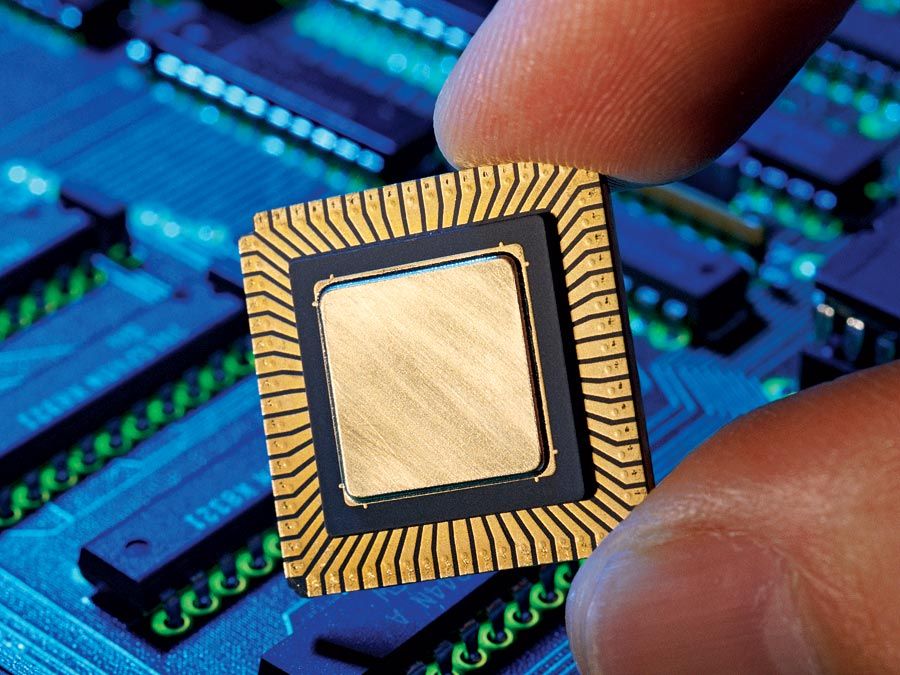
The chipset in an iPhone does more than just process information; it is the very heart of the device, orchestrating everything from performance to power management. Understanding the functionalities of these chipsets provides insight into how Apple maintains its reputation for delivering seamless user experiences, especially in demanding applications.
The design of iPhone chipsets integrates multiple features aimed at optimizing battery life and overall efficiency. Apples’s A-series chips, for instance, utilize advanced fabrication processes, such as the 5nm technology used in the A14 Bionic chip, which enhances transistor density and reduces power consumption. This innovation allows the chip to manage workloads more effectively, leading to longer battery life without sacrificing performance.
Integration of Chips with Hardware Components
The seamless integration of chipsets with other hardware components is crucial for the iPhone’s functionality. This synergy ensures that all parts of the device work harmoniously, enhancing user experience and device performance.
One significant integration example is the relationship between the A-series chip and the graphics processing unit (GPU). The A15 Bionic, for instance, features a 4-core GPU that works in tandem with the CPU to provide stunning graphics performance while managing power efficiency. This allows for high-fidelity gaming experiences without excessive battery drain.
The chipset also works closely with the camera hardware, enabling advanced computational photography features. Through machine learning algorithms embedded in the chip, users can benefit from features like Night mode and Smart HDR, which enhance image quality significantly while utilizing minimal power.
Enhancement of Specific Functionalities, Chip iphone
The chipsets in iPhones contribute to enhanced functionalities, notably in areas such as gaming and photography.
In gaming, Apple’s A-series chips have consistently set benchmarks for mobile gaming performance. With dedicated hardware for graphics rendering and machine learning, games can leverage real-time visual effects and complex physics. For example, titles like “Genshin Impact” and “Call of Duty: Mobile” benefit significantly from the A15 Bionic’s processing capabilities, allowing for smooth gameplay at high resolutions while maintaining battery efficiency.
In photography, the integration of advanced chip features allows for groundbreaking camera capabilities. The A15 Bionic’s Neural Engine processes images quickly, enabling features like Deep Fusion and Photographic Styles, which personalize photo outputs in real-time. These functionalities not only enhance the quality of images but also optimize the performance of the camera system, ensuring that users can capture stunning photos without compromising on battery life.
The continual evolution of chip design combined with hardware integration has made the iPhone a leader in mobile technology, showcasing how vital chipsets are in delivering exceptional functionality and user experiences.
Future Trends in iPhone Chip Development

The evolution of iPhone chips has consistently been at the forefront of technological innovation, shaping the user experience and expanding the capabilities of Apple’s devices. As we look ahead, various trends and challenges will likely influence the trajectory of iPhone chip development. The focus will be on predicting advancements, identifying potential hurdles, and understanding consumer expectations in an ever-evolving tech landscape.
Framework for Predicting Future Advancements in iPhone Chip Technology
In forecasting future advancements in iPhone chip technology, several factors can be utilized to create a structured framework. This includes analyzing historical advancements, current technological trends, and Apple’s strategic goals.
Key aspects of this framework include:
- Technological Integration: Anticipating shifts towards more integrated systems-on-chip (SoC) that combine CPU, GPU, and AI functionalities.
- Process Technology: Monitoring advancements in semiconductor fabrication processes, such as the transition from 5nm to 3nm technology, which can significantly enhance performance and energy efficiency.
- Artificial Intelligence: The increasing incorporation of machine learning capabilities within chips to boost performance in tasks like photography, voice recognition, and augmented reality.
- Environmental Sustainability: Focusing on eco-friendly materials and energy-efficient designs in chip manufacturing as consumer awareness rises.
Potential Challenges in Chip Innovation
While Apple is poised to lead in chip innovation, it faces several potential challenges that could impact its development strategy.
Key challenges include:
- Supply Chain Disruptions: Global semiconductor shortages and geopolitical tensions may hinder access to essential materials and components.
- Competition: Rivals like Samsung and Qualcomm are rapidly advancing their technologies, creating pressure on Apple to maintain a competitive edge.
- Technological Complexity: As chips become more sophisticated, the complexity of designing and producing them increases, leading to extended development cycles and higher costs.
- Regulatory Hurdles: Stricter international regulations on technology and manufacturing could pose additional challenges for innovation and production scalability.
Consumer Expectations for Future iPhone Chips
With the rapid pace of technological advancement, consumers have clear expectations for the features they desire in future iPhone chips, largely influenced by current technology trends.
List of anticipated features includes:
- Enhanced Performance: Users expect significant improvements in processing speed, particularly for gaming and high-performance applications.
- Improved Battery Life: Efficient power management technologies are sought after to extend device usage without frequent charging.
- Advanced AI Capabilities: Integration of AI for personalized user experiences, predictive features, and improved camera functionalities are highly anticipated.
- 5G Optimization: Enhanced capabilities for 5G connectivity, ensuring faster data speeds and more reliable connections in various environments.
- Security Features: Consumers are increasingly concerned about security, expecting chips to incorporate advanced encryption and biometric capabilities.
Detailed FAQs
What is the primary purpose of the iPhone chip?
The primary purpose of the iPhone chip is to handle processing tasks that enhance the performance, efficiency, and overall functionality of the device.
How often does Apple release new iPhone chips?
Apple typically releases new iPhone chips annually alongside new iPhone models, showcasing advancements in technology and performance.
What is the significance of the A-series chips?
The A-series chips are significant as they represent the cutting-edge processing technology that powers iPhones, providing superior speed and efficiency compared to competitors.
Do iPhone chips affect battery life?
Yes, iPhone chips play a crucial role in managing power consumption, significantly impacting battery life and efficiency during device operation.
What challenges does Apple face in chip development?
Apple faces challenges such as increasing production costs, competition in chip technology, and the need to innovate continuously to meet consumer expectations.
The Samsung Galaxy S11 emerged as a game-changer in the smartphone market, boasting impressive camera capabilities and a sleek design. Its features cater to photography enthusiasts and tech-savvy users alike. Meanwhile, Samsung learned valuable lessons from the Samsung Note7 incident, leading to innovations in safety and performance in their subsequent devices.
The Samsung Note7 was once a flagship device that captivated users with its cutting-edge features. However, the challenges it faced due to battery issues prompted Samsung to rethink its approach. This experience paved the way for the release of the Samsung Galaxy S11 , which not only enhanced safety but also improved overall functionality, ensuring a better user experience.