
Samsung Galaxy S II marks a pivotal moment in smartphone history, introducing features that would set the standard for years to come. Released in 2011, this device was celebrated not just for its sleek design but also for its impressive specifications, including a vibrant display, powerful camera, and robust battery life, making it a fierce competitor in a rapidly evolving market.
With a dual-core processor and an intuitive user interface, the Galaxy S II offered an unparalleled user experience, elevating everyday tasks to a new level of efficiency. Its adaptability to gaming and multimedia consumption garnered positive feedback, leaving a lasting impression on users across the globe.
Features of Samsung Galaxy S II
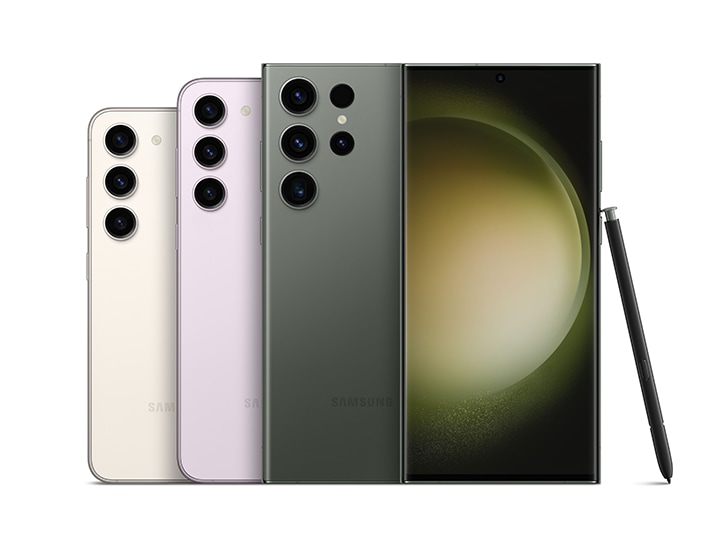
The Samsung Galaxy S II, released in 2011, marked a significant evolution in smartphone technology. This device was not just another addition to the Galaxy series but a transformative device that set new standards in the mobile industry. With its cutting-edge features and specifications, the Galaxy S II was well-received by both consumers and critics alike, cementing its place as a leading smartphone of its time.
The Samsung Galaxy S II boasts an impressive array of features that made it stand out among its contemporaries. It was one of the first smartphones to showcase a Super AMOLED Plus display, which provided vibrant colors and deep blacks, enhancing the viewing experience for users. Alongside its stunning display, the Galaxy S II was equipped with a powerful camera and robust battery life, which contributed to its popularity.
Specifications Breakdown
Examining the specifications of the Samsung Galaxy S II reveals why it was deemed a flagship device during its release. Here’s a detailed breakdown of its key specifications:
- Display: The device features a 4.3-inch Super AMOLED Plus display with a resolution of 800 x 480 pixels. This screen technology offered impressive brightness and contrast levels, making it ideal for multimedia consumption.
- Camera: The Galaxy S II is equipped with an 8-megapixel rear camera capable of recording 1080p video at 30 frames per second. It also includes a 2-megapixel front-facing camera, which was a significant feature for video calls.
- Battery Life: The smartphone houses a 1650mAh battery, providing a decent battery life that allowed users to stay connected throughout the day. In practical terms, this meant around 10 hours of talk time and up to 610 hours on standby.
- Processor: Powered by a dual-core 1.2 GHz ARM Cortex-A9 processor, the Galaxy S II delivered smooth performance for multitasking and demanding applications.
- Storage Options: The phone came with options of 16GB or 32GB of internal storage, expandable via microSD card, accommodating users’ needs for apps, media, and files.
Comparison with Contemporaneous Smartphones
When comparing the Samsung Galaxy S II with other flagship smartphones of its time, it becomes evident how it excelled in several areas. The competition included devices like the HTC Sensation and the Apple iPhone 4S, each with their unique strengths.
- Display Quality: While the HTC Sensation had a comparable 4.3-inch display, the Super AMOLED Plus technology used in the Galaxy S II provided richer colors and better visibility in bright conditions.
- Camera Capabilities: The 8MP camera on the Galaxy S II outperformed the 5MP camera in the iPhone 4S in terms of megapixels. Both offered excellent photo quality, but the Galaxy S II had a slight edge with its advanced features and video recording capability.
- Performance: The dual-core processor in the Galaxy S II provided a competitive advantage over the single-core processor in the iPhone 4. This made the Galaxy S II more adept at handling multitasking and resource-intensive applications.
- Battery Life: The Galaxy S II’s battery capacity was larger than that of many competitors, allowing for longer usage between charges, which was a significant factor for heavy users.
“The Samsung Galaxy S II not only redefined user expectations but also provided a glimpse into the future of smartphones.”
User Experience and Performance

The Samsung Galaxy S II is renowned for providing an exceptional user experience, combining elegant design with robust performance. Users have praised the device for its intuitive interface, vibrant display, and responsive touch capabilities. With its sleek profile and lightweight construction, the Galaxy S II is not only visually appealing but also comfortable to hold and operate throughout the day.
The performance of the Galaxy S II is largely attributed to its advanced hardware specifications, which include a powerful dual-core processor and ample RAM. This combination allows the device to handle a variety of everyday tasks with ease, from web browsing and social media to more demanding applications and games. Users often report smooth multitasking experiences and minimal lag during operation, making it an ideal choice for those who rely on their smartphones for productivity.
Everyday Tasks and Gaming Performance
When it comes to handling everyday tasks, the Galaxy S II excels due to its optimized software and robust hardware. Users typically experience quick load times for apps and seamless transitions between tasks. The device can manage most productivity applications efficiently, allowing users to browse, edit documents, and communicate without interruptions.
In the realm of gaming, the Galaxy S II’s graphics capabilities are noteworthy. The powerful dual-core processor and dedicated GPU enable smooth gameplay for a variety of titles, ranging from casual games to more graphics-intensive options. Players often appreciate the fluidity of animations and responsiveness of touch controls, which enhance the overall gaming experience.
Key aspects of the Samsung Galaxy S II’s performance include:
- Fast Loading Times: Applications open rapidly, reducing waiting time and improving user efficiency.
- Effective Multitasking: Users can switch between multiple applications without noticeable lag, supporting a productive workflow.
- Graphics Rendering: The device handles high-quality graphics well, delivering enjoyable gaming experiences with minimal frame drops.
User feedback highlights high levels of satisfaction concerning the interface. The TouchWiz UI, Samsung’s custom interface on the Galaxy S II, is designed to be user-friendly, providing easy access to apps and settings. Many users appreciate the customization options available, allowing them to personalize their device to suit their preferences.
It is also noteworthy that the device’s display, with its Super AMOLED technology, enhances the visual experience, making colors vibrant and images sharp. This feature is particularly valued by users who enjoy media consumption, as it delivers a visually stunning experience for watching videos and playing games.
“The Galaxy S II combines performance and user experience seamlessly, making it one of the most beloved smartphones of its time.”
Comparison with Rival Smartphones
The Samsung Galaxy S II made a significant impact in the smartphone market upon its release, not only for its impressive features but also for how it compared to its competitors. This section delves into how it stands against notable rivals, particularly the iPhone 4S, as well as HTC and LG models from that era. Through this comparative analysis, we’ll explore specifications, user experiences, and market reception to understand the Galaxy S II’s position in a highly competitive landscape.
Comparison with iPhone 4S
When evaluating the Samsung Galaxy S II against the iPhone 4S, it’s essential to look at their specifications and user experience. Both phones were flagship devices at their respective launches, showcasing the best technology of their times.
| Feature | Samsung Galaxy S II | iPhone 4S |
|---|---|---|
| Display | 4.3 inches Super AMOLED Plus | 3.5 inches Retina Display |
| Processor | 1.2 GHz Dual-core | 1.0 GHz Dual-core A5 |
| Camera | 8 MP rear, 2 MP front | 8 MP rear, 0.3 MP front |
| Operating System | Android 2.3 (upgradable) | iOS 5 |
The Galaxy S II’s larger display and superior camera capabilities provided a more immersive experience, particularly for media consumption and photography. In contrast, the iPhone 4S offered a more polished user interface and a robust app ecosystem, contributing to its appeal among users who valued seamless integration with other Apple products.
Comparison with HTC and LG Models
During the same period, HTC and LG released several models that contributed to the competitive smartphone environment. Notable HTC models include the HTC Sensation and the HTC Evo 3D, while LG had its Optimus 3D and the LG Nitro HD.
The HTC Sensation featured a 4.3-inch display but struggled to match the Galaxy S II in terms of processing power with its dual-core Snapdragon processor. The user experience also distinguished the S II with its TouchWiz interface, which offered more customization options than HTC’s Sense UI.
Similarly, the LG Optimus 3D boasted a unique 3D display but lacked the overall performance and design elegance of the Galaxy S II. While it was innovative, many users found the 3D features gimmicky, and the phone’s software experience was not as smooth as that of the Galaxy S II.
Market Reception Analysis, Samsung galaxy s ii
The Samsung Galaxy S II was met with impressive market reception, often being hailed as the best Android smartphone of its time. Consumer reviews highlighted its performance, design, and features, translating into strong sales figures.
In contrast, the iPhone 4S maintained its loyal customer base but showed slower growth when compared to the Galaxy S II during the latter’s peak. In terms of market share, the Galaxy S II outperformed HTC and LG, capturing a significant portion of the market with its blend of innovation and user-friendly features.
In summary, while the iPhone 4S had its strengths, particularly in user interface and ecosystem integration, and HTC and LG offered compelling alternatives, the Samsung Galaxy S II stood out for its superior specifications, user experience, and market reception.
Legacy and Impact on the Smartphone Market: Samsung Galaxy S Ii
The Samsung Galaxy S II, released in 2011, marked a pivotal moment in the evolution of smartphones, significantly shaping the trajectory of mobile technology. As one of the flagship devices in Samsung’s Galaxy series, it not only showcased advanced specifications for its time but also set benchmarks that have influenced the design and functionality of smartphones in the years that followed.
The Galaxy S II played a crucial role in popularizing features that have become standard in contemporary devices. Its success helped establish a number of design and usability principles that have persisted in the smartphone market. The sleek form factor, high-resolution display, and dual-core processor of the Galaxy S II exemplified the shift towards more powerful and visually appealing devices. Moreover, its integration of features such as an 8MP camera with high-definition video recording capabilities showcased the importance of photography in smartphones, a trend that continues to dominate the market today.
Influence on Future Samsung Models and the Industry
The impact of the Galaxy S II extended beyond its immediate popularity; it laid the groundwork for Samsung’s future devices and influenced the broader smartphone industry. The design language and hardware specifications introduced with the S II can be seen in subsequent models, including the Galaxy S III and Galaxy Note series. Key elements such as the Super AMOLED display and the emphasis on camera quality became hallmarks of Samsung’s smartphone offerings.
The success of the Galaxy S II also compelled competitors to enhance their products, resulting in a wave of innovation across the industry. Key influences include:
- Enhanced Display Technology: The introduction of Super AMOLED displays in the Galaxy S II set a new standard for screen quality, prompting rivals to invest heavily in display technology.
- Camera Standards: The focus on high-quality cameras in smartphones, driven by consumer demand exemplified by the Galaxy S II, has led to continuous advancements in mobile photography.
- Performance Optimization: The dual-core processor introduced in the S II highlighted the need for improved performance in smartphones, influencing the entire market towards multi-core CPUs.
- Customizable User Interfaces: Samsung’s TouchWiz interface, while initially controversial, paved the way for increased customization options in smartphones, allowing users to personalize their devices to a greater extent.
The Galaxy S II not only elevated Samsung’s position within the smartphone market but also contributed to the overall growth of the industry. Its legacy is evident in the emphasis on innovation and consumer-centric features that characterize modern smartphones. The strategies employed by Samsung in marketing and enhancing the user experience have influenced countless manufacturers, leading to a more competitive and dynamic smartphone ecosystem.
The Samsung Galaxy S II transformed the smartphone landscape, setting benchmarks that would define the future of mobile technology.
Detailed FAQs
What year was the Samsung Galaxy S II released?
The Samsung Galaxy S II was released in 2011.
What are the key specifications of the Samsung Galaxy S II?
It features a 4.3-inch Super AMOLED Plus display, an 8 MP rear camera, and a dual-core 1.2 GHz processor.
How does the camera perform in low light?
The camera performs reasonably well in low light but may struggle compared to newer models.
What operating system does the Samsung Galaxy S II run?
Initially, it ran on Android 2.3 Gingerbread and was later upgradable to Android 4.1 Jelly Bean.
Is the Samsung Galaxy S II still worth buying today?
While it may not support modern apps and features, it can still be a collector’s item or a phone for basic use.
The latest release in the smartphone arena is the samsung s 19 , which boasts impressive features and cutting-edge technology. This device aims to cater to both tech enthusiasts and casual users alike, ensuring a seamless experience. With its sleek design and powerful performance, the Samsung S 19 is a game-changer in its class.
Meanwhile, the samsung galaxy s10+ continues to hold its ground among top-tier smartphones. Known for its stunning display and camera capabilities, the Galaxy S10+ has been a favorite since its launch. Users appreciate its versatility, making it ideal for both productivity and entertainment.